

Trump defunded the warning system. Then came the worst outbreak on record.
Families deserve to know their food is safe. But federal food safety agencies were under-resourced long before this outbreak. Now they have been cut further. We cannot trace what we have stopped counting.
Congress must fully fund the CDC's Food Safety Program and restore the surveillance capacity these outbreaks demand.
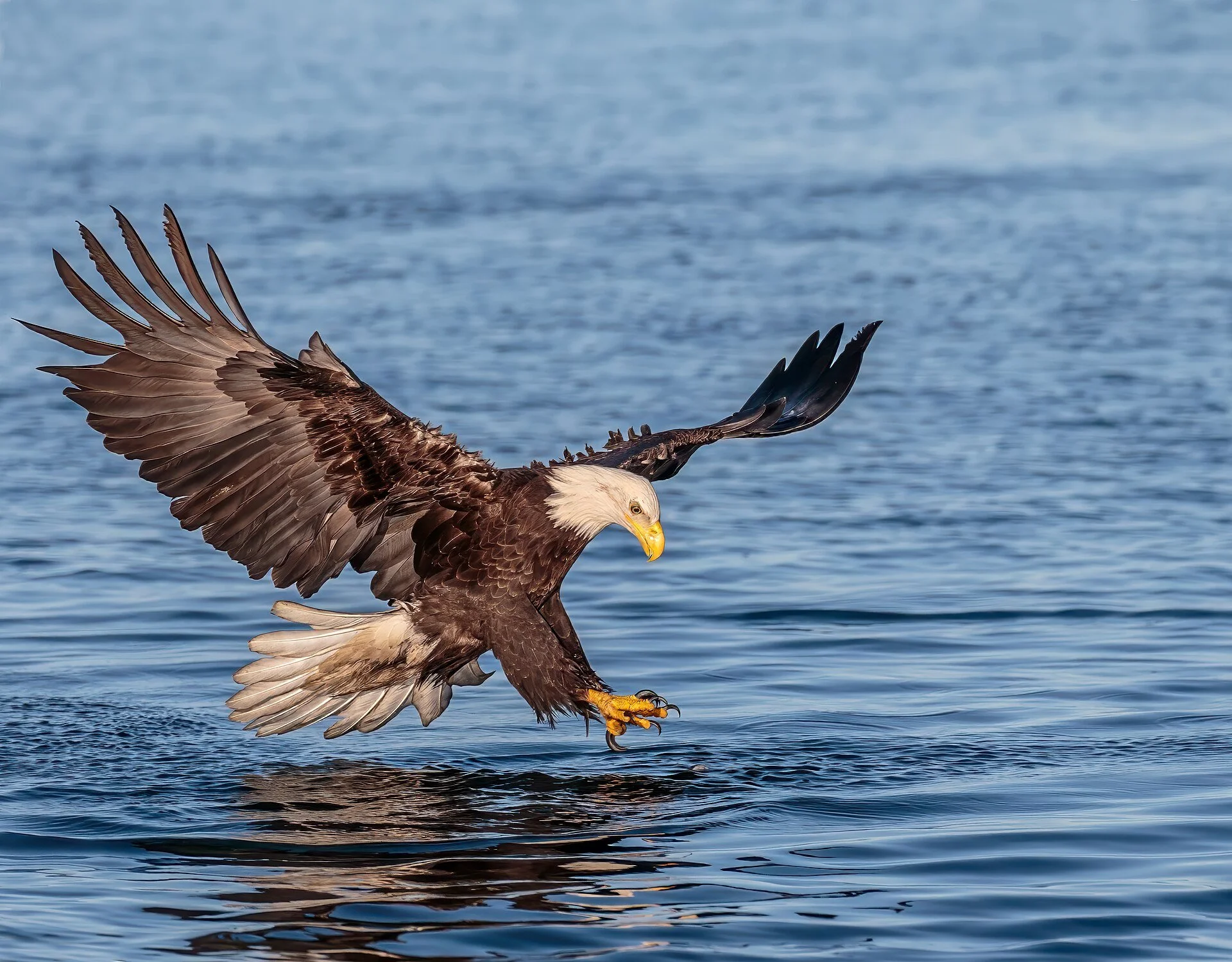
The law that saved the bald eagle is being gutted
Since 1973, the Endangered Species Act has saved more than 99% of the species listed under its protection — including the bald eagle, the American alligator, and the black-footed ferret.
The Trump administration is dismantling it despite its effectiveness and popularity. But Congress wrote this law. Congress must defend it.
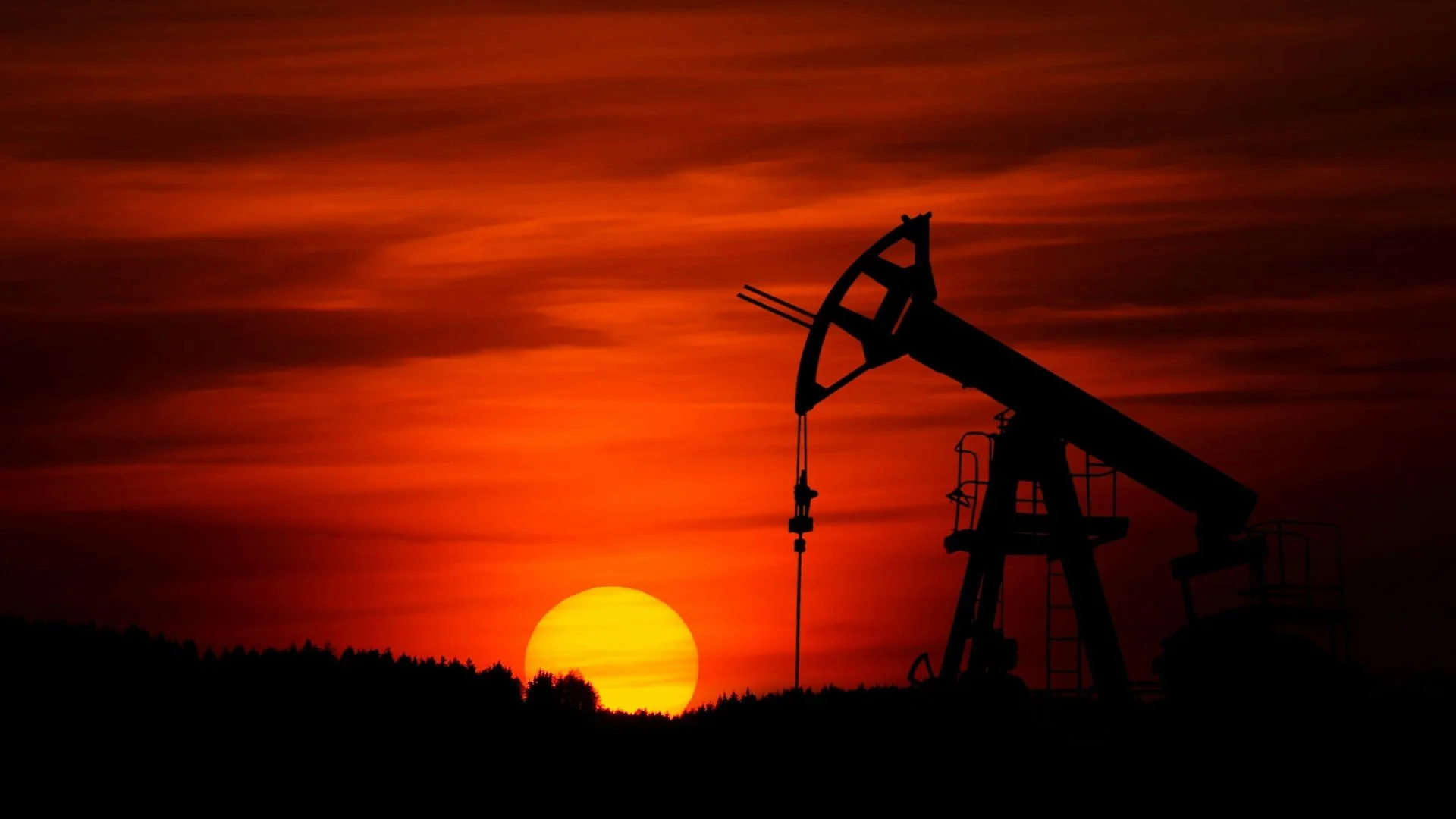
$4 a gallon for you. $14.53 billion for Exxon. Tell Congress to tax Big Oil.
While working families are choosing between filling their gas tank or buying groceries, Big Oil just posted its best quarter in years.¹ With the midterms approaching, we need to pressure Congress to increase taxes on oil companies and return those profits to taxpayers.
Sign and send a letter to Congress: rein in Big Oil's war profiteering. Pass a windfall profits tax.
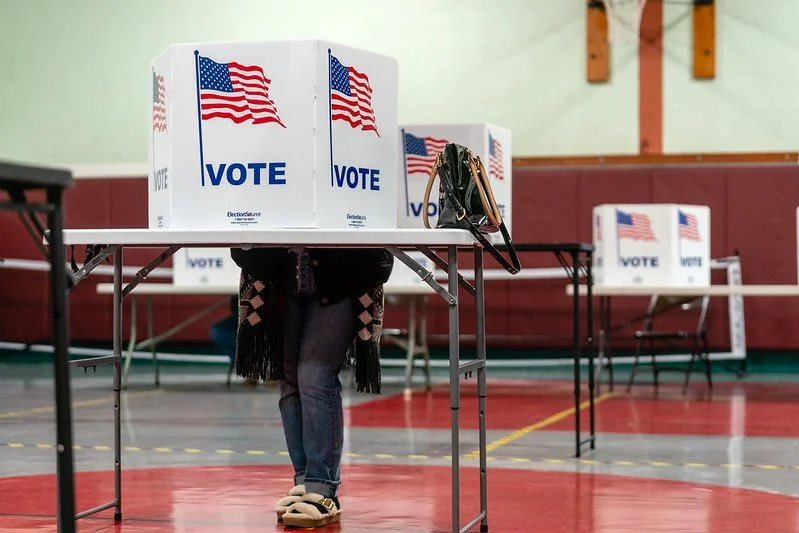
House passes anti-voting measures in budget reconciliation. Senate must block.
House Republicans crammed pieces of the most sweeping voter suppression bill in modern history into a budget reconciliation package. Now it heads to the Senate.
If any version of the so-called SAVE America Act becomes law, married women, people who changed their names, and others whose documents don't match perfectly could face confusion, extra hurdles, or even be turned away when they try to cast a ballot.
That's not protecting elections. It's making it harder for everyday Americans to be heard.
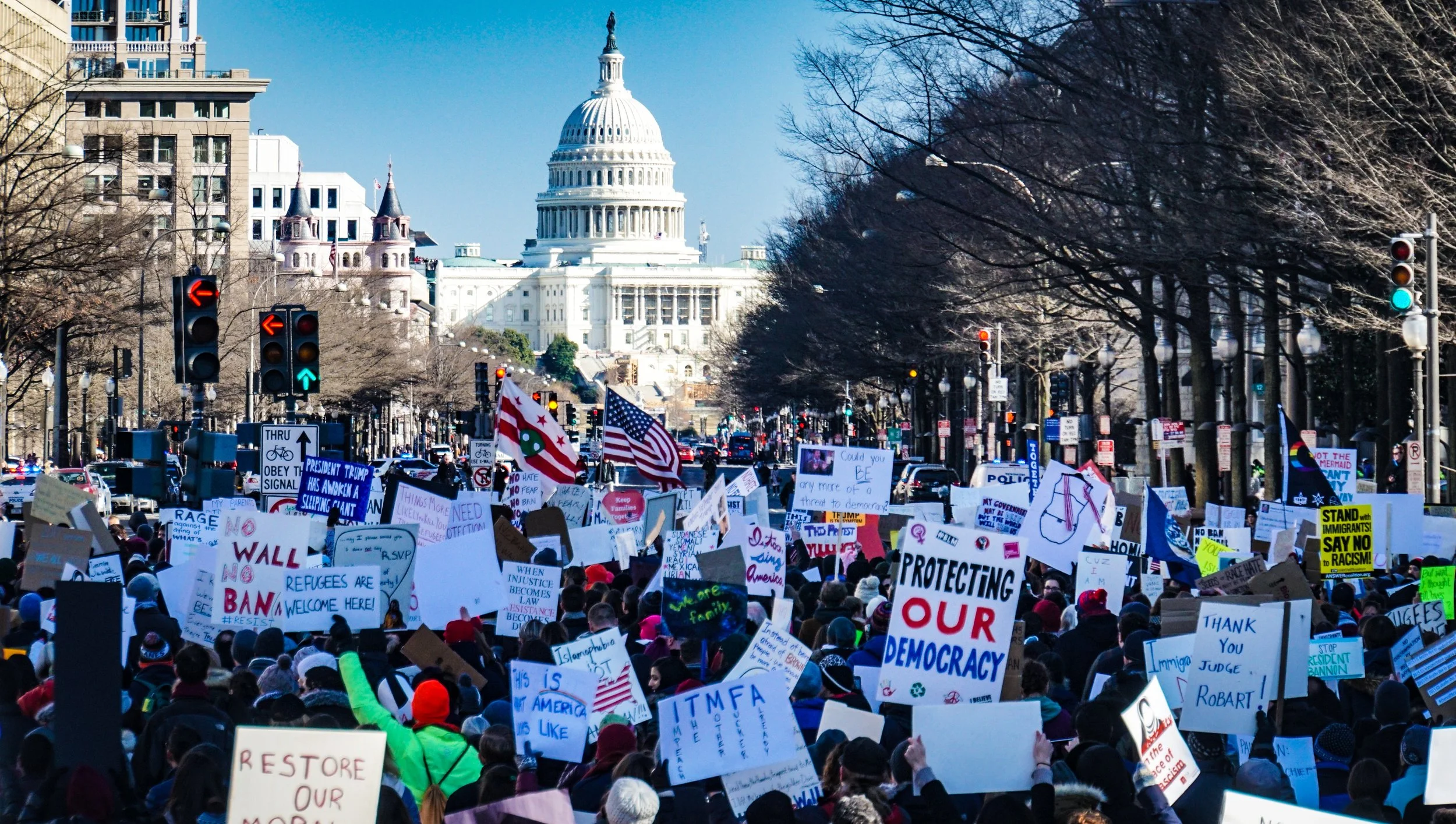
We're 48 electoral votes from changing how America picks its president — November could decide it
The National Popular Vote Interstate Compact (NPVIC) changes how we elect the president: member states agree to award their electoral votes to the winner of the national popular vote. The compact activates once participating states reach the 270 electoral votes needed to determine the presidency. We're closer than we've ever been, and the November 2026 election decides whether we cross the line.
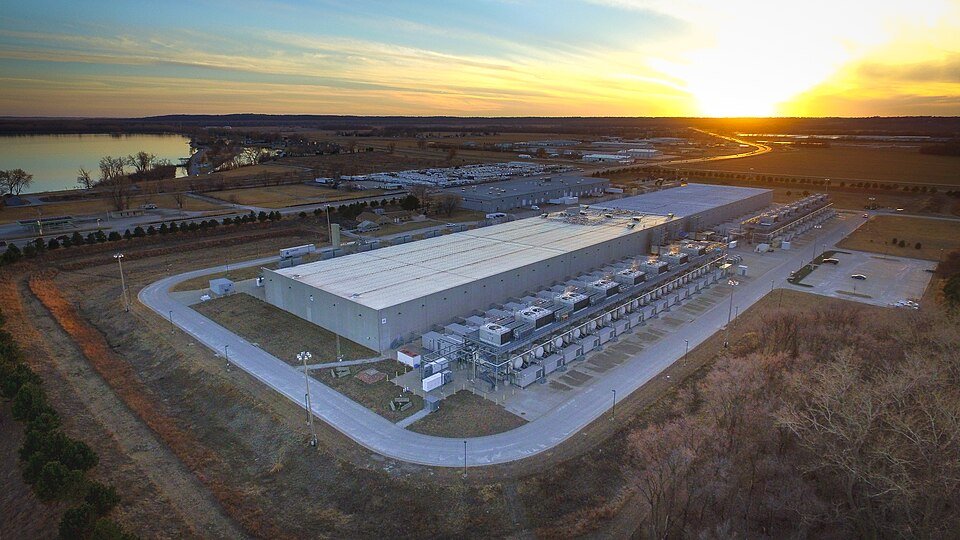
Big Tech's unchecked expansion is coming at the expense of our communities
In 38 states, communities have successfully secured temporary bans or halts on data center construction. From Denver, Oklahoma City, and Seattle’s one-year moratoriums to Huron County, Michigan’s three-year pause, towns and cities nationwide are successfully standing up against corporate land grabs and resource hoarding. Organized action is effectively holding Big Tech accountable.
State and local officials must stand with community organizers to protect our resources before Big Tech leaves us in the dark.
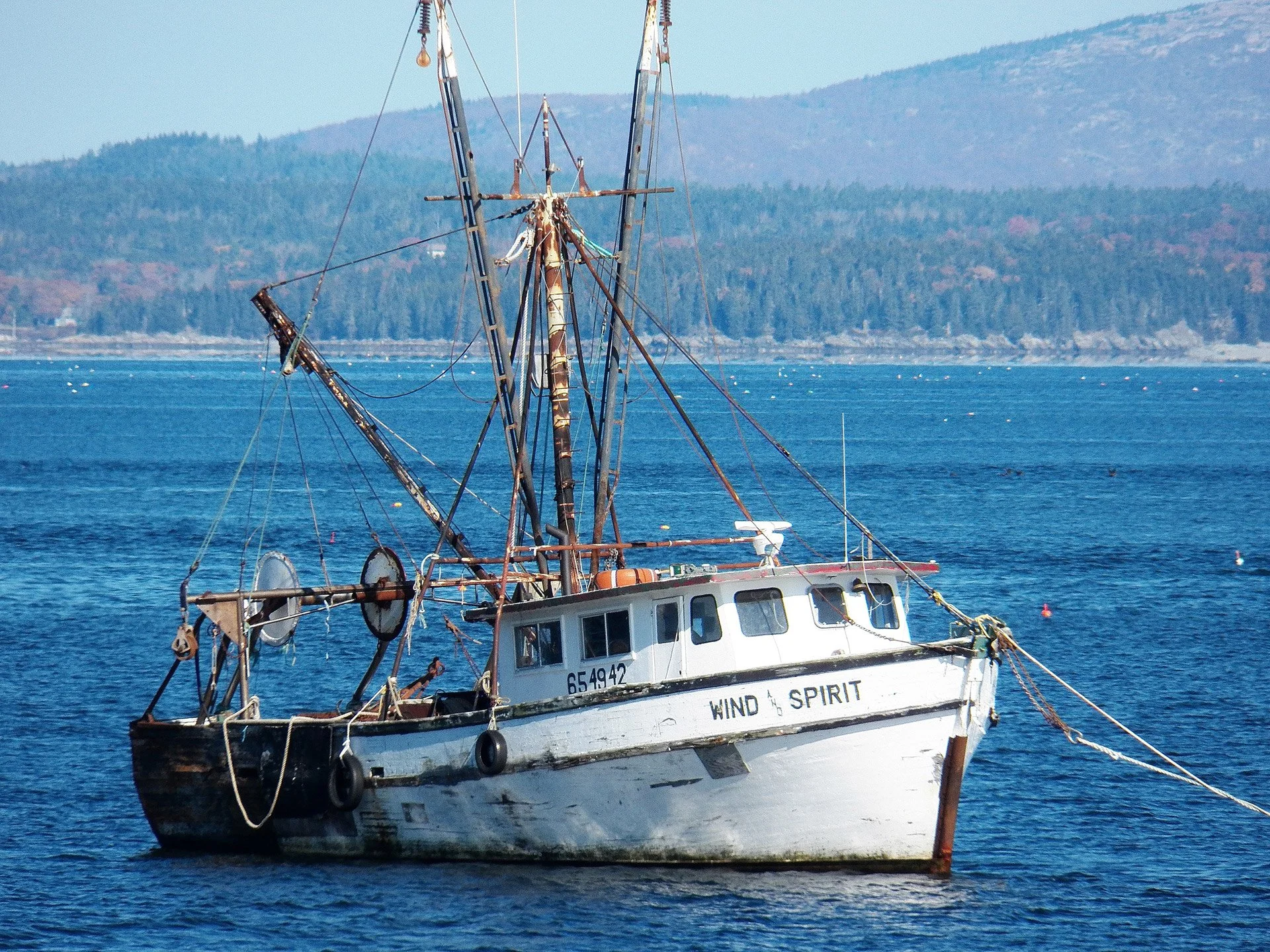
Send a letter to the U.S. Senate: Thank you for protecting the ocean monitoring system
Thanks to thousands of us who spoke up, the Senate passed a bipartisan measure to block the removal of the Ocean Observatories Initiative instruments. The next day, the administration abandoned its plan.
The instruments that track coastal flooding, marine heat waves, and irreplaceable climate data are staying in the water.
The fight to protect climate science isn't over. Every removed instrument must be replaced, and we know future attacks are coming.
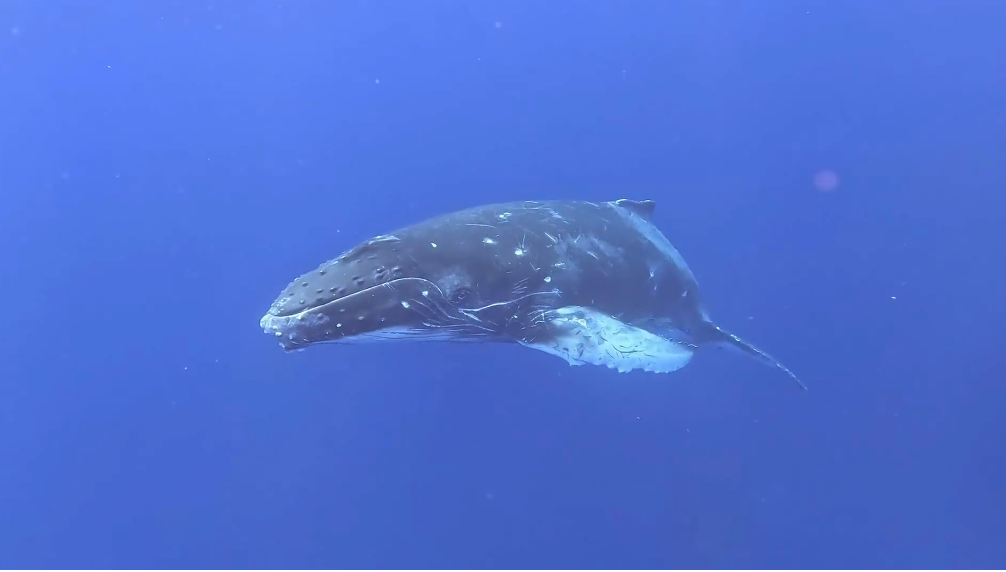
Watch: Whale calf rises to surface
Rachel was diving off the coast of Tonga, and she came back with a video of whales that stopped all of us in our tracks. It's the kind of footage that reminds you exactly what we're in this for.

Tell State Legislatures: Get Corporate Money Out of Our Elections
Hawaii Gov. Josh Green signed SB 2471 into law in May 2026, making Hawaii the first state in the nation to take direct action challenging Citizens United. Starting in 2027, corporations operating in Hawaii will no longer be able to spend money on elections.
As 17 other states explore similar legislative actions, Hawaii’s move serves as a model for reclaiming voter influence and countering corporate control of elections.
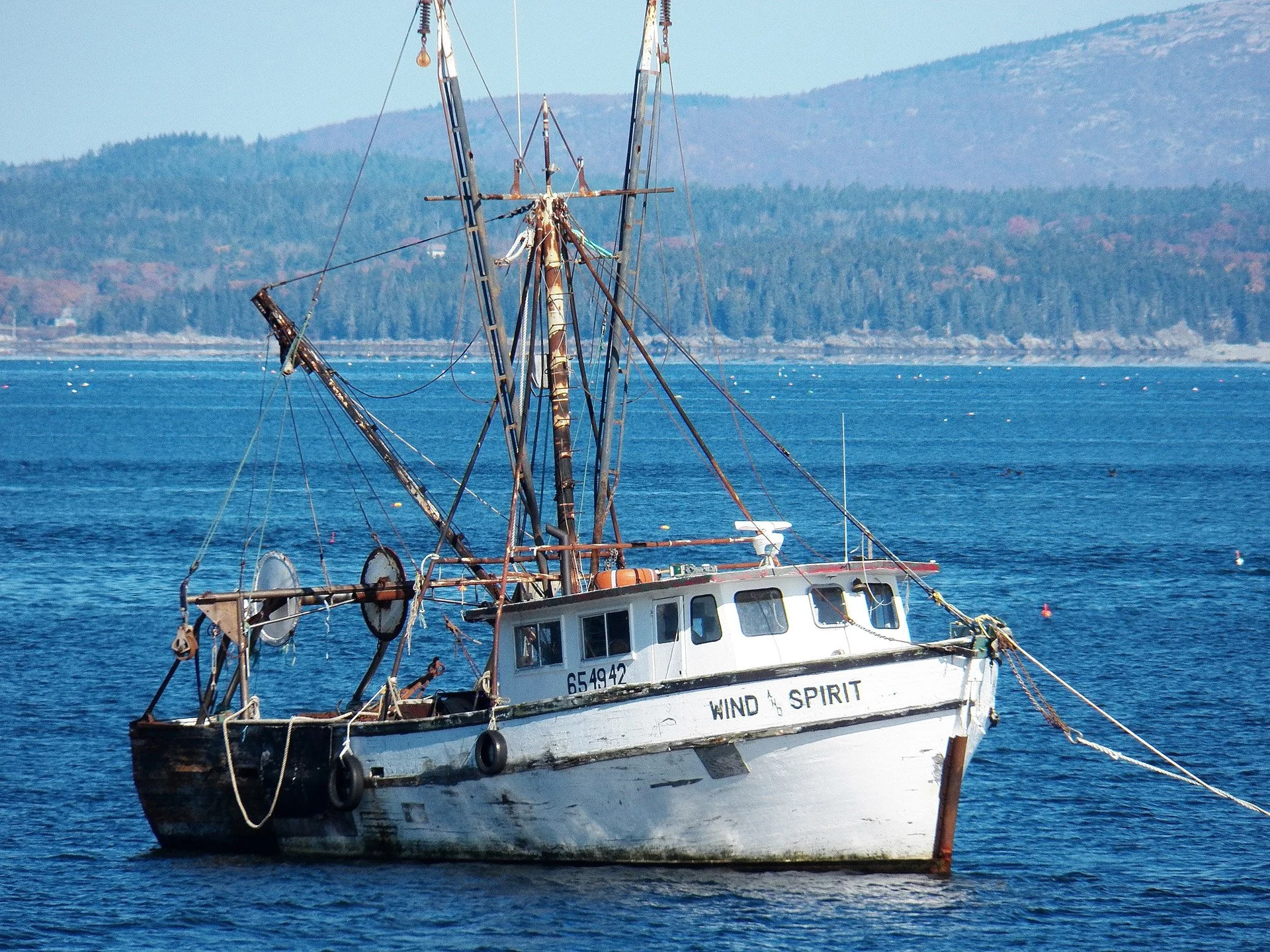
Send a letter to the U.S. Senate: Fund the Ocean Monitoring System
Designed to operate for 25 years, the system is now being scrapped by the Trump administration in just 15 months.¹ This move will erase more than a decade of data that can never be recovered.²
This isn't belt-tightening. It's part of a deliberate effort to dismantle the science that lets us see climate change happening.² But it can be stopped: Congress has already voted twice to save this exact program.

Sign the petition: Give us the Right to Repair!
Seven states — California, Colorado, Minnesota, New York, Connecticut, Oregon, and Washington — have already passed Right to Repair laws.² Maine and Texas are next. Federal legislation is on the table. And corporations are spending big to stop it.²
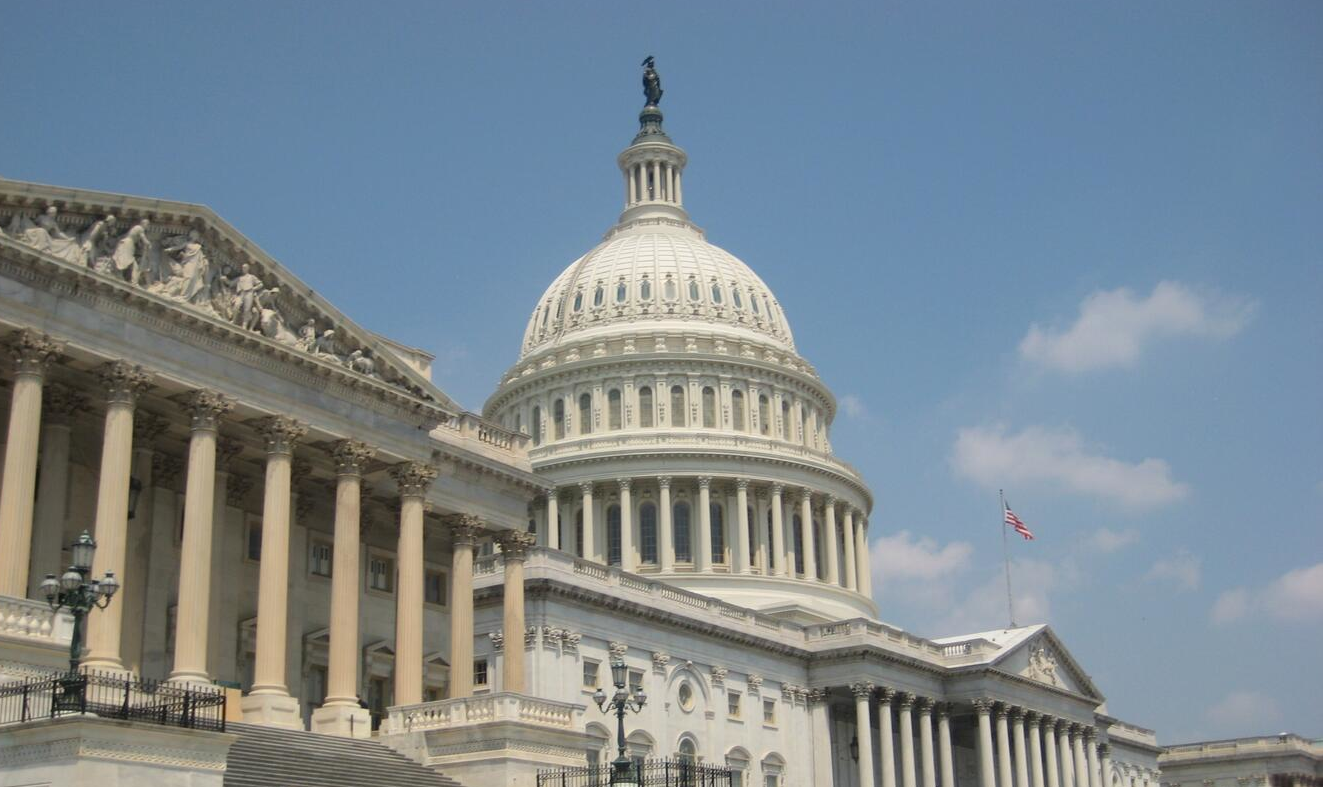
Sign if you agree: Protect our resources from Big Tech
Petition language to Congress:
No industry should be allowed to reshape our land, our water, our grid, and our democracy faster than the public can respond. The world has changed. Our laws haven't kept up. More than 100 local communities across 12 states have already enacted their own moratoriums.
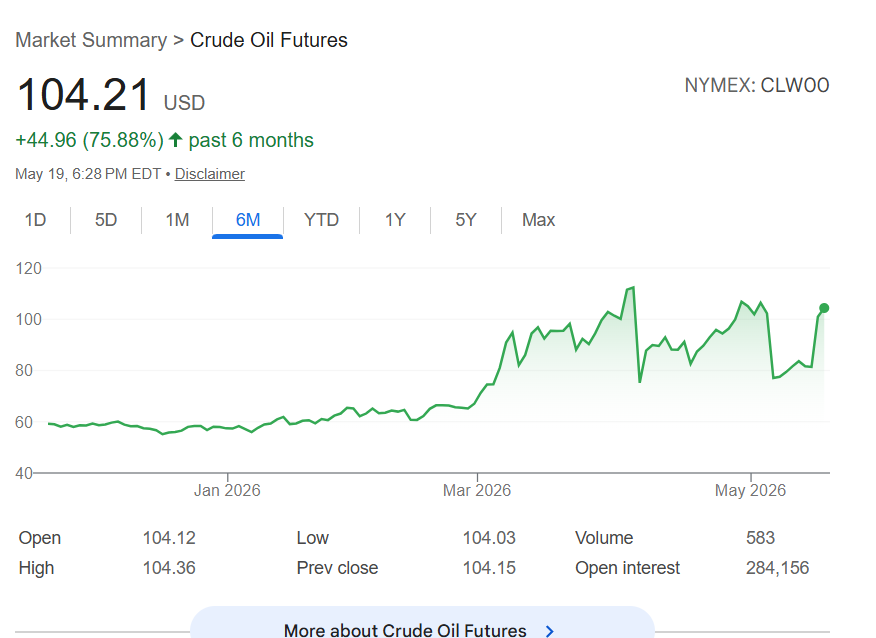
$30 million an hour. Every hour. While you pay more for gas. Sign the petition.
In the first month of Donald Trump's war with Iran, the world's top 100 oil and gas companies banked more than $30 million in windfall profits—every single hour.1
We've seen this before. Fossil fuel companies exploit crises to lock in profits while families pay more.3 A windfall tax is a higher, one-time tax on companies that make massive, unexpected profits from events outside their control—like a war. In short, if you get lucky at the public's expense, you don't get to keep the profits.
The good news: There's already a bill. Senator Sheldon Whitehouse and Congressman Ro Khanna have reintroduced the Big Oil Windfall Profits Tax Act, which would require companies like ExxonMobil and Chevron to pay an estimated $33 billion annually—money that would go back directly to consumers as rebates.4
These numbers that blew our minds 🤯
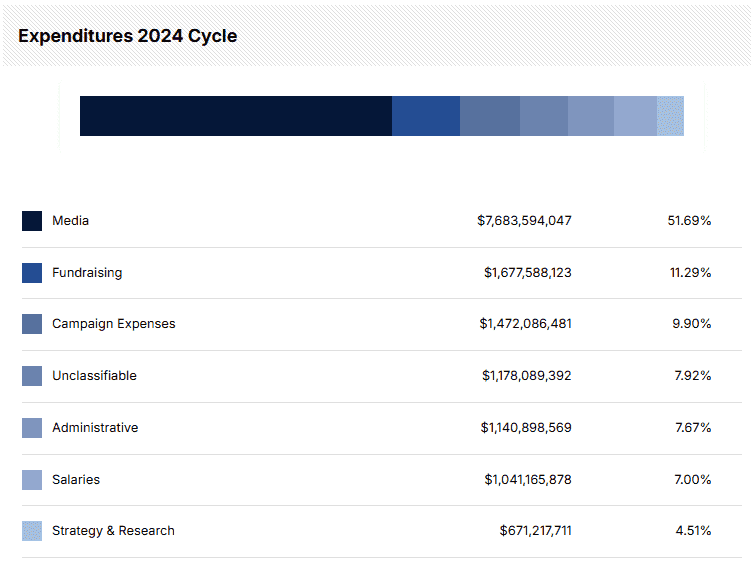
Last night, Rachel went down a rabbit hole on campaign spending — and the numbers1 she shared with Monique and me were jaw-dropping.
Here's the problem: a huge chunk of that money flows to headline-grabbing, top-of-ticket races — President, Congress, Governor. Meanwhile, the downballot community-based races that shape everyday life? Chronically underfunded.
Three Point Five exists to change that.
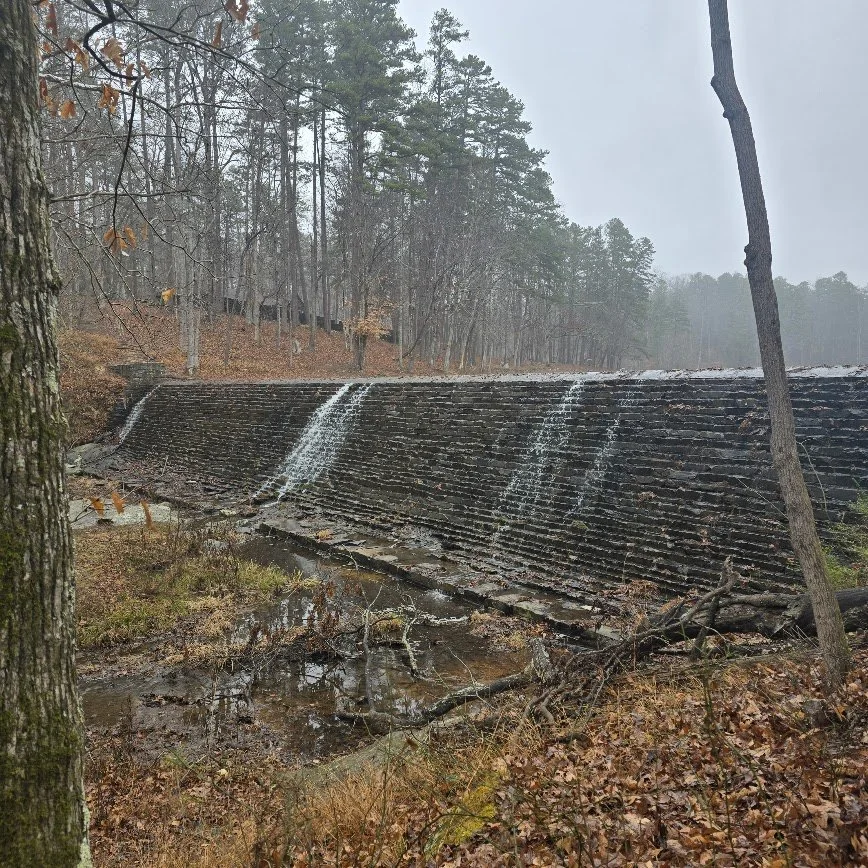
OUR water. OUR land. OUR communities.
At Three Point Five, we talk about how fast the world has changed—and how badly our laws have failed to keep up.
Nowhere is that clearer than Big Tech's AI data center buildout. An industry that barely existed a decade ago is now reshaping our land, water, energy grid, and democracy at breakneck speed—with no oversight, transparency, or accountability. A handful of billionaires are making decisions that affect all of us, often in complete secrecy.
The good news: Communities are fighting back and winning. More than 100 localities across 12 states have already enacted their own moratoriums.1 But Congress has yet to act. Until it does, Big Tech gets to keep moving unimpeded.
Survey: What are your top concerns?
Will you share your top concerns with us?
Thank you for being part of Three Point Five. Your feedback in this six-question survey will strengthen this movement and help us make decisions about our priorities — your views matter.
Tell us which issues matter and why, name political leaders inspire you, and what type of volunteer activities you prefer.
$30 million an hour. Every hour. While you pay more for gas. Sign the petition.
In the first month of Donald Trump's war with Iran, the world's top 100 oil and gas companies banked more than $30 million in windfall profits—every single hour.1
We've seen this before. Fossil fuel companies exploit crises to lock in profits while families pay more.3 A windfall tax is a higher, one-time tax on companies that make massive, unexpected profits from events outside their control—like a war. In short, if you get lucky at the public's expense, you don't get to keep the profits.
The good news: There's already a bill. Senator Sheldon Whitehouse and Congressman Ro Khanna have reintroduced the Big Oil Windfall Profits Tax Act, which would require companies like ExxonMobil and Chevron to pay an estimated $33 billion annually—money that would go back directly to consumers as rebates.4
Tell Congress: Restore funding to the National Weather Service, NOAA, and FEMA.
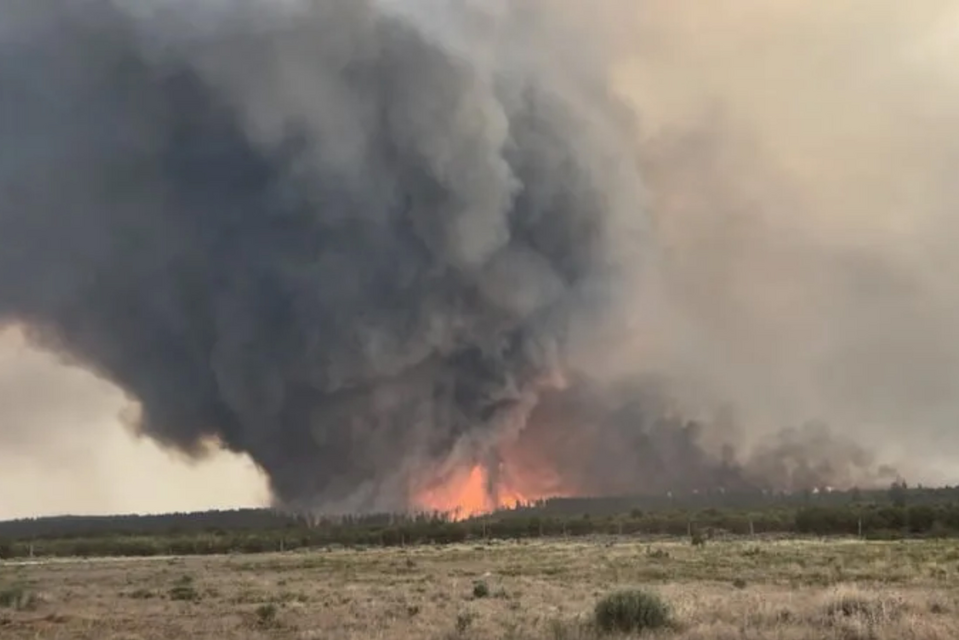
Storm season is just around the corner — and the agency responsible for warning you about tornadoes, hurricanes, and floods is running on fumes.
Tell Congress: Restore funding to the National Weather Service, NOAA, and FEMA.
The Trump administration gutted the National Weather Service, the National Oceanic and Atmospheric Administration (NOAA), and the Federal Emergency Management Agency (FEMA) last year. This year’s budget request is no better. As of last month, there are still 300 fewer meteorologists and hydrologists than there were in late 2024.1 Five critical positions at the Storm Prediction Center — the office that forecasts tornadoes and severe winds — sit empty.1 That had almost never happened before.
This isn't just a staffing problem. It's a safety problem. Cuts to the National Weather Service, NOAA, and FEMA have made it harder to predict, warn, prepare, and respond to extreme weather events — events that are becoming more frequent and more deadly because of climate change.
Weaker institutions mean slower warnings, slower response, and slower recovery for families across the country. Communities across the country — especially the most vulnerable — are paying the price.